A Rich History

Dating Back to Roman Times

Lorem Epsum

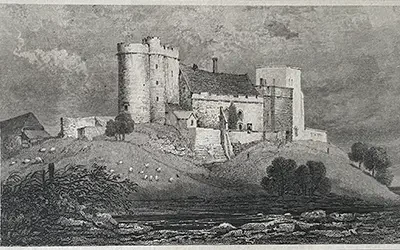
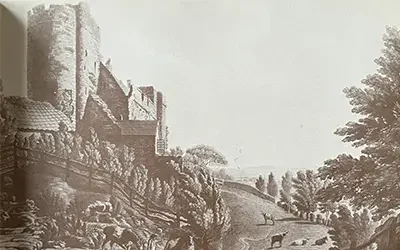
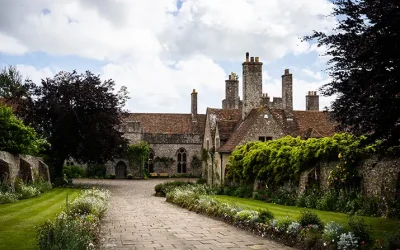
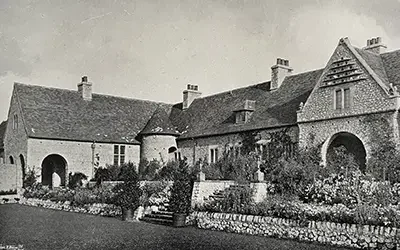
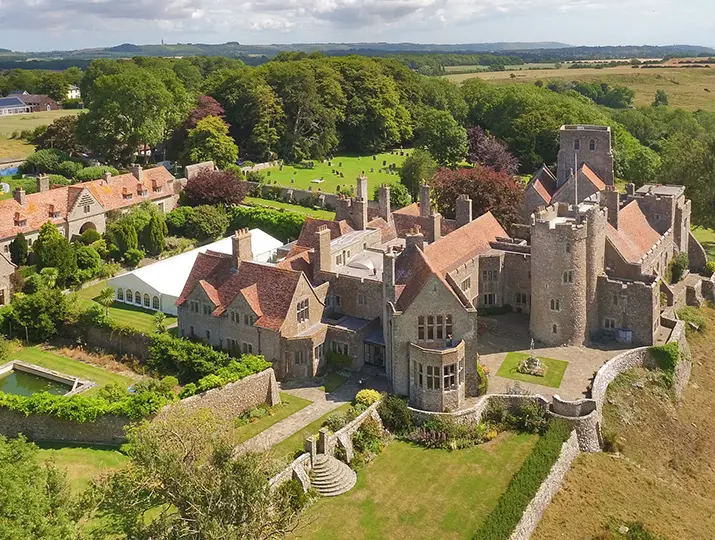
Lympne Castle stands as a testament to centuries of English history, located atop a ridge overlooking Romney Marsh in Kent. This Grade I listed medieval castle, once known as Court Lodge, has evolved from its beginnings in the 1080s as part of the Archdeacons of Canterbury’s estate to a stunning event venue today. Step into the past as you explore the enduring legacy of a castle that has borne witness to countless historic moments.

stutfall

Roman Era (c. 270 – 370 AD)

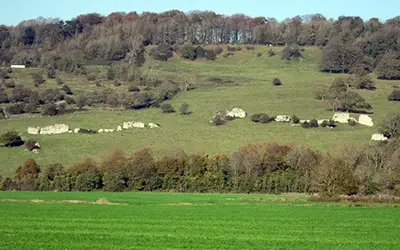
  • c. 270 AD: Stutfall Castle built by Romans (Stout Wale = strong fortress).
  • Connected to Dover, Reculver, Richborough, and London via Stone Street.
  • c. 370 AD: Abandoned due to landslides; possible watchtower built on future Lympne site.
  • Excavations: Roman shoe, bath house, reused masonry, tiles, Neptune altar (2nd century AD by Lucius Aufidus Pantera).

Saxon & Norman Era (Pre-1066 – 13th Century)

  • Saxon abbey on cliff site; later became Archdeacon’s residence.
  • 12th Century: Lympne Castle construction begins (Eastern Tower).
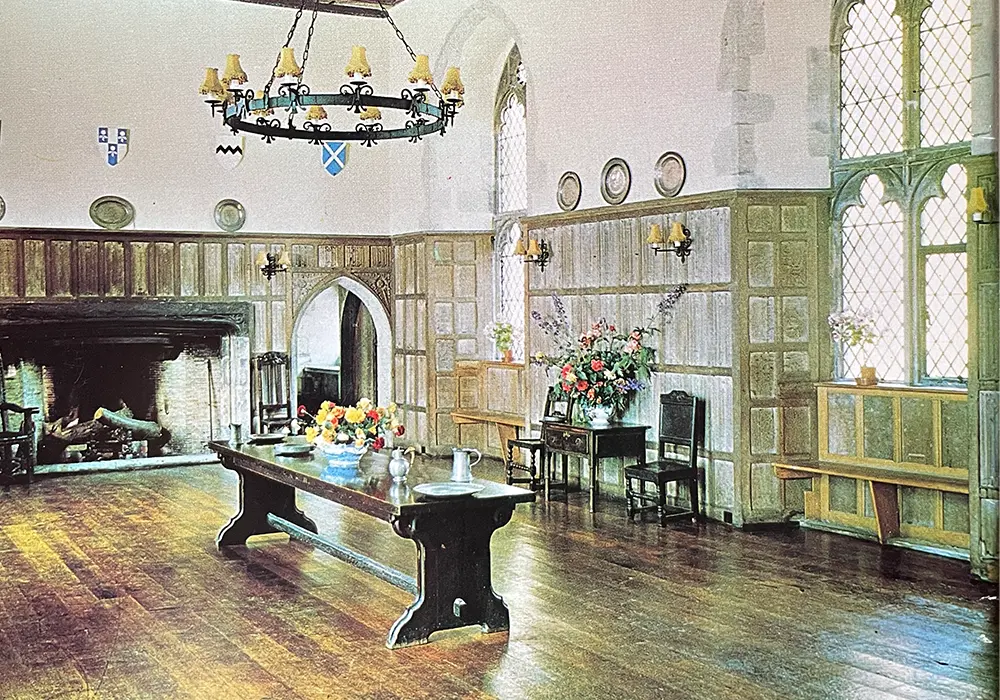
  • 13th Century: Great Hall, western tower, porch, and service rooms added.
  • Thomas Becket possibly visits.
castle
castle2

Medieval to Early Modern Era (1420 – 1860)

  • 1420: Great Hall converted to a house with first floor (later removed).
  • Castle leased to Bridger family in late 18th century.
  • 1860: Sold to Major Lawes; first time not under Church ownership. Used as a farmhouse.

Late 19th – Early 20th Century Decline (1860 – 1905)

Castle declines into agricultural storage and near-ruins.

1878: St Stephens Church restored.

1904: Lympne pronunciation described by Sir Charles Igglesden.

1905: Francis John Tennant purchases castle.

hellomagazine1
frontCastle

Tennant Family Restoration (1905 – 1917)

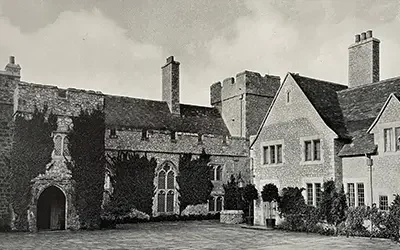
  • 1906-1908: West Wing built by Sir Robert Lorimer; cottages and bistro added.
  • 1911-1916: West Wing dining room added.
  • 1909: Suffragette protest against PM Herbert Asquith.
  • c. 1916: Castle used as WW1 convalescent home for Canadian soldiers.
  • 1917: Castle put up for sale after death of Mark Tennant.

Henry Beecham & WWII (1918 – 1962)

1918: Henry Beecham purchases castle.

WWII: East tower lookout used to spot V1 rockets; early warnings allowed coastal defenses to intercept.

rear
hellomagazine1

Margary Family Era (1962 – 2000)

  • 1962: Harry & Deidre Margary buy castle for £30,000; family home.
  • Opened parts of castle to public (toys museum, souvenirs, tours).
  • Hosted early wedding ceremonies in Great Hall and Old Kitchen.
  • 1970s: Donated land for village playing field & Harry Margary Hall.
  • 1978: Paul McCartney’s band Wings record album Back to the Egg at the castle.

Modern Usage & Media (2000 – Present)

1995 (25 May): Castle becomes one of the first licensed wedding venues (Old Kitchen/Main Bar).

2014 & 2018: TV and film shoots – The Only Way is Essex, Queens of Mystery.

Today: Castle operates as a wedding and events venue, preserving historic features.

hellomagazine1

June 2024

Lorem ipsum dolor sit amet, consectetur adipiscing elit. Ut elit tellus, luctus nec ullamcorper mattis, pulvinar dapibus leo.

Lorem Epsum

Lympne Castle owes its survival to dedicated owners who preserved its historical essence while enhancing its grandeur. F.J. Tennant, who acquired the castle in 1906, was instrumental in restoring the estate from disrepair. Alongside Sir Robert Lorimer, he added the West Wing, incorporating historic woodwork and stained glass into the design. Later, Henry Beecham expanded the property with the East Wing in 1918. During WWII, the castle served as a strategic lookout and briefly housed Canadian soldiers as a convalescent home. The addition of a lookout tower on the East Wing was crucial for spotting V1 rockets from Calais. By the war’s end, the castle needed substantial repairs, which were completed in 1945, restoring its historical glory.
Modern era and Today's Lympne Castle

Lympne Castle’s legacy extends into popular culture, hosting events such as Paul McCartney’s Wings recording sessions in 1978. Today, it thrives as a premier venue for weddings, corporate events, and private gatherings, cherished for its blend of history and elegance. Under new ownership as of 2023, the castle welcomes a new generation to celebrate in its medieval halls, blending ancient charm with modern touches. The castle’s future is promising, with ongoing efforts to honor its rich past while creating new memories for generations to come.